A solar plant has no moving parts and, compared with most technical systems, needs little maintenance. But “little” is not the same as “none”. A plant that nobody monitors can run for months with a failed string or inverter without anyone noticing — until someone compares the bills. This guide covers what an owner, whether a company, a bank or a household, should keep an eye on, what is the service engineer’s job, and when to call one.
Monitoring is the foundation of maintenance
The most important maintenance tool is not a brush but production monitoring. Almost all modern inverters come with an app or web portal showing output by day, month and year, and often by string. Without it, you are left guessing.
What to watch:
- Daily and monthly output compared with the same period in previous years. One cloudy month is no cause for concern, but a recurring drop is.
- Specific yield (kWh/kWp) — lets you compare plants of different sizes and different sections of the same plant.
- How inverters and strings compare. If, on the same roof with the same orientation, one inverter or string consistently produces less than the others, that almost always points to a fault, shading or soiling on that section.
- Fault messages and alarms. Set up email or phone notifications and decide who receives them. An alarm nobody reads helps no one.
- Communication outages. If the portal shows no data for days, the problem may just be the internet connection — or it may be the inverter. Check.
For larger plants it is also worth tracking the performance ratio, which compares actual output with what the plant could have produced at the measured irradiance. That requires an on-site irradiance sensor or reliable satellite data.
Cleaning panels: when it makes sense
Soiling (dust, pollen, bird droppings, leaves, soot) reduces the light reaching the cells. By how much depends on the location, panel tilt and how often it rains — so the decision to clean is best based on monitoring data and a visual check, not on the calendar.
Typical sources of soiling in BiH:
- pollen in spring, especially near woodland and green areas,
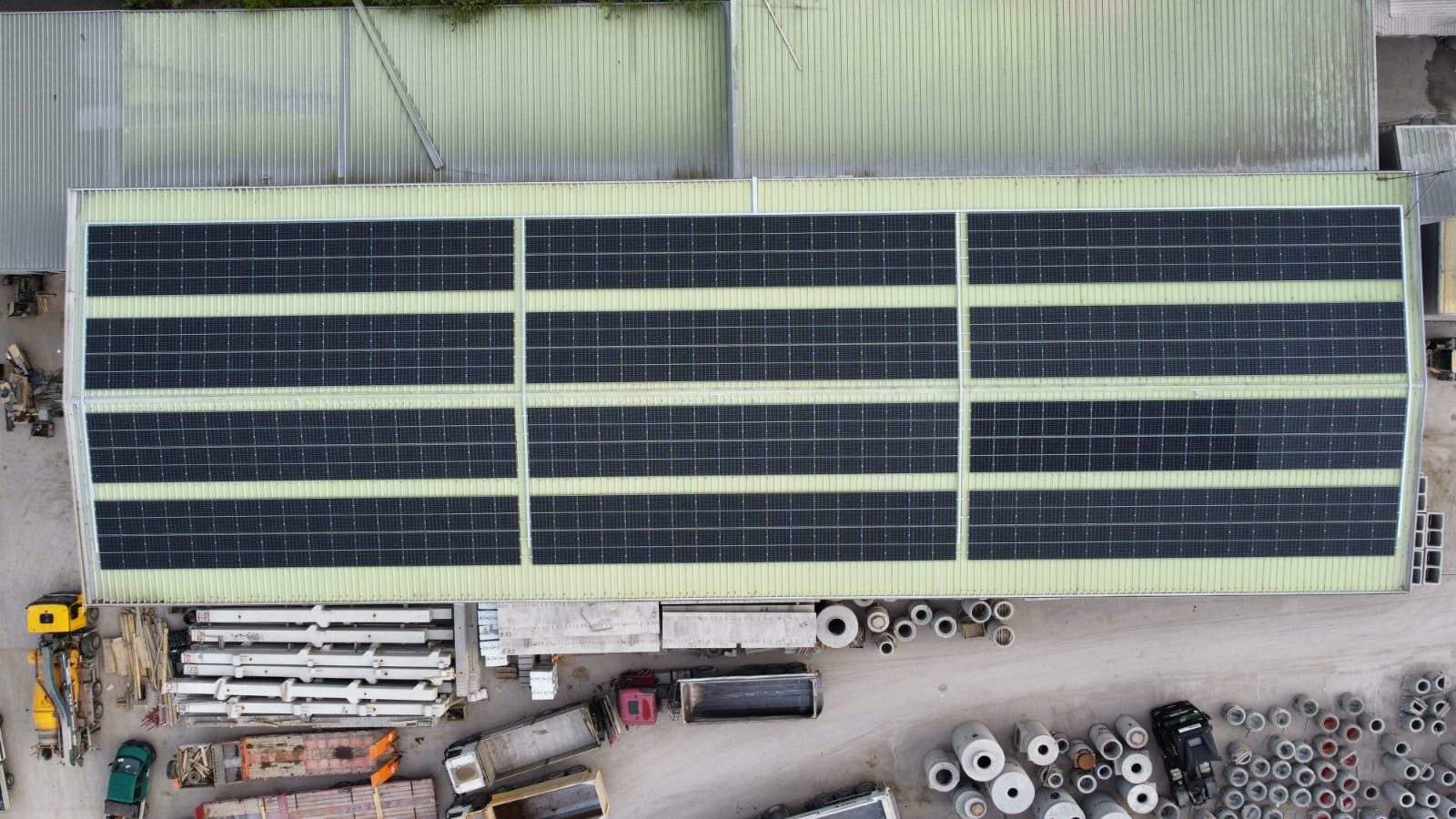
- dust near roads, construction sites, quarries, concrete plants and in industrial zones,
- soot and deposits on buildings near chimneys, dryers or boiler houses,
- bird droppings, which are a particular problem because even a small shaded area on one cell can reduce the output of a whole string of panels,
- deposits along the lower edge of shallow-tilt panels, where water collects and leaves dirt behind.
If you decide to clean:
- use a soft brush and clean, ideally demineralised water; hard water leaves limescale,
- do not use abrasives, harsh detergents or pressure washers unless the panel manufacturer explicitly allows them,
- clean early in the morning or in the evening, when panels are not hot — cold water on hot glass causes thermal stress,
- do not walk on panels or lean on them,
- roof work requires fall protection — if you lack the equipment and training, leave it to an authorised contractor.
Before cleaning, check the panel manufacturer’s warranty terms: some specify exactly which methods and products are permitted.
Snow and winter
Snow on panels stops production temporarily, but winter output is a small share of the annual total anyway. On tilted panels snow usually slides off as soon as the sun comes out. Clearing it with shovels, stiff brooms or hot water does more harm than good — scratches on the glass and micro-cracks in the cells permanently reduce panel power.
What you really need to watch in winter:
- snow load on the roof and structure, especially on ballasted flat roofs,
- snow sliding off panels onto walkways, entrances or car parks — fit snow guards where needed,
- ice on cable routes and drains, which can damage cables or insulation.
Inverters: the heart of the plant
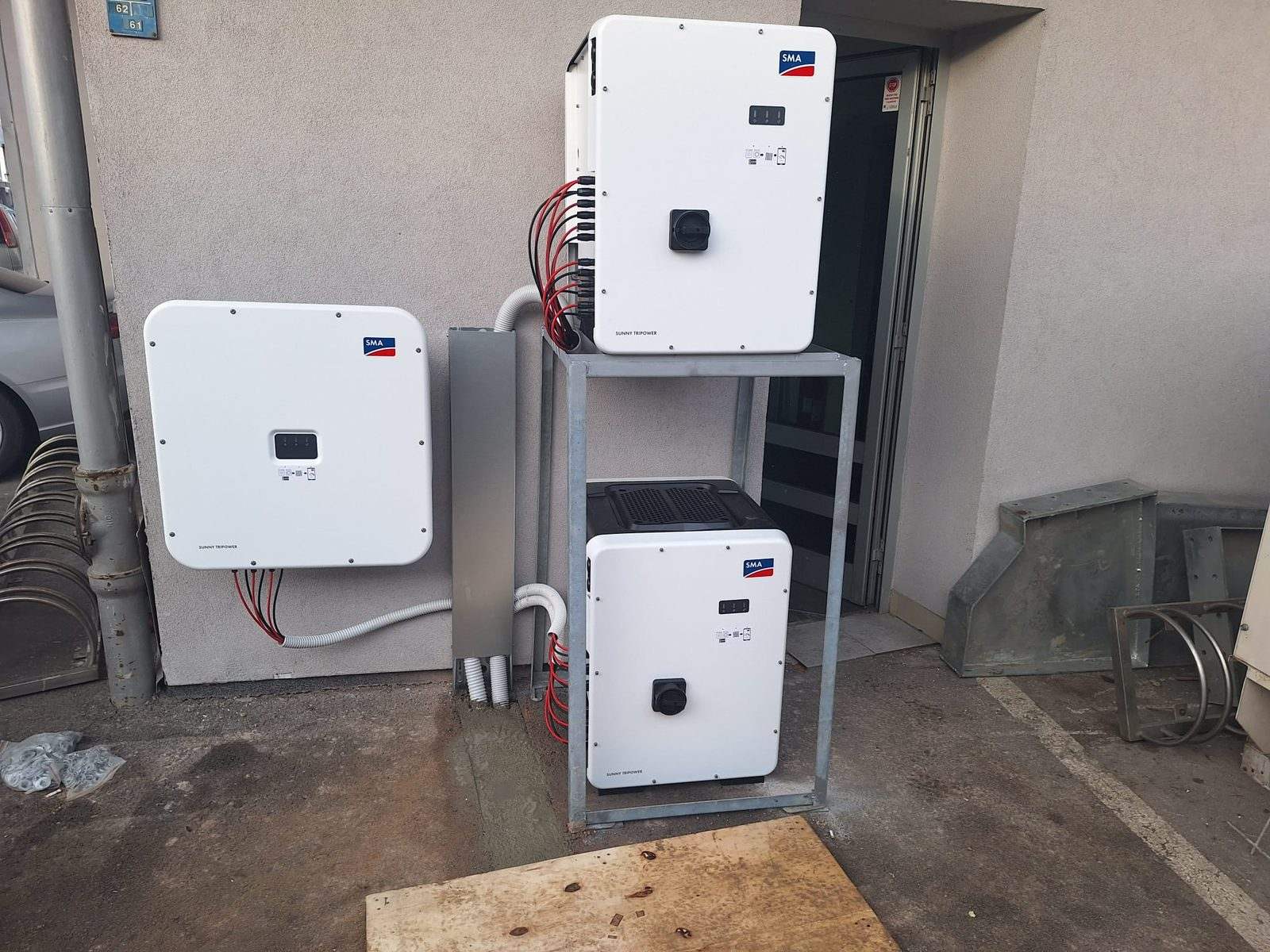
The inverter is the component most likely to fail, and it usually has a shorter life than the panels, so its replacement should be planned for within the plant’s lifetime.
What you can check yourself:
- that vents and heat sinks are clean and there is enough airflow around the inverter (inverters reduce output when they overheat),
- whether faults appear on the display or in the app — note the fault code and time,
- that the inverter is installed somewhere protected from direct sun, water and dust, as the manufacturer specifies.
A common issue on grids with high voltage is inverters tripping on grid overvoltage during sunny hours. This is not an inverter fault but a consequence of grid conditions or settings, and is resolved through analysis with the distribution system operator and, where permitted, by adjusting inverter parameters. Do not change inverter settings yourself — they form part of the connection conditions.
Firmware updates, component replacement and any work on the DC or AC side are jobs for a service engineer, and warranties are often conditional on servicing by the manufacturer’s authorised partner.
Periodic inspections and thermography
We recommend that a qualified person inspects the plant at least once a year. The inspection usually follows the methods described in the IEC 62446 standard and includes:
- a visual inspection of panels (cracks, discolouration, delamination, damaged frames), the mounting structure, brackets and fixings,
- checking connectors and cables — damaged insulation, signs of overheating, loose connections, cables hanging loose or rubbing against edges,
- string measurements (open-circuit voltage, current, insulation resistance) compared with previous readings,
- checking protection: surge protection, fuses, isolators, earthing and, where present, the lightning protection system,
- thermography — imaging under load with a thermal camera to reveal cell hot spots, faulty bypass diodes and overheating connections invisible to the naked eye.
Connectors deserve special attention. An overheated or melted connector is one of the more common causes of faults and, in the worst case, of fire on the DC side. The risk rises when connectors from different manufacturers that are not certified as compatible are mixed, or when they are poorly crimped. That is why connectors should never be replaced with makeshift parts.
After a severe storm, hail or a nearby lightning strike, carry out an extra inspection even if monitoring shows no problem.
Ground-mounted plants: vegetation and fencing
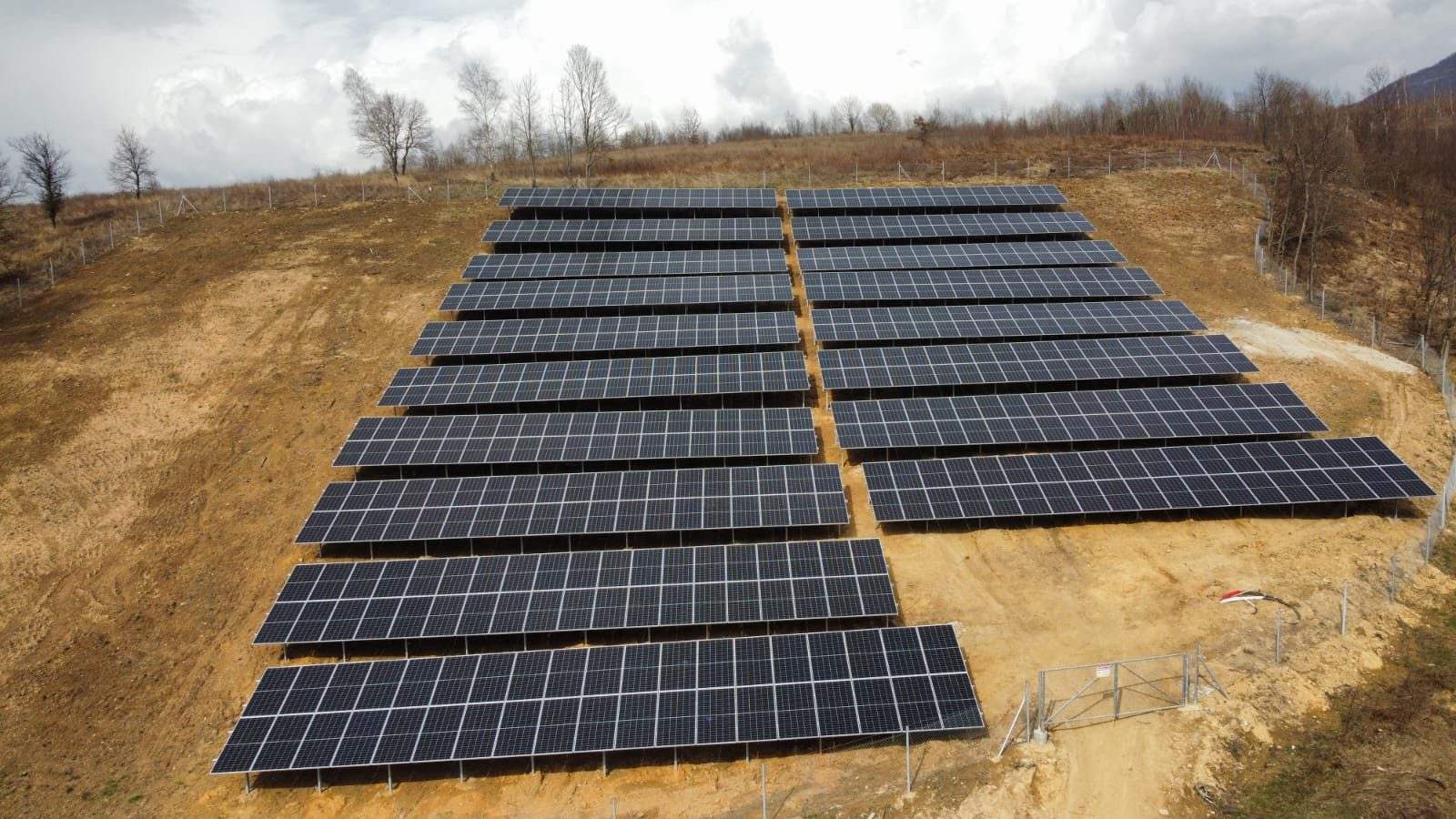
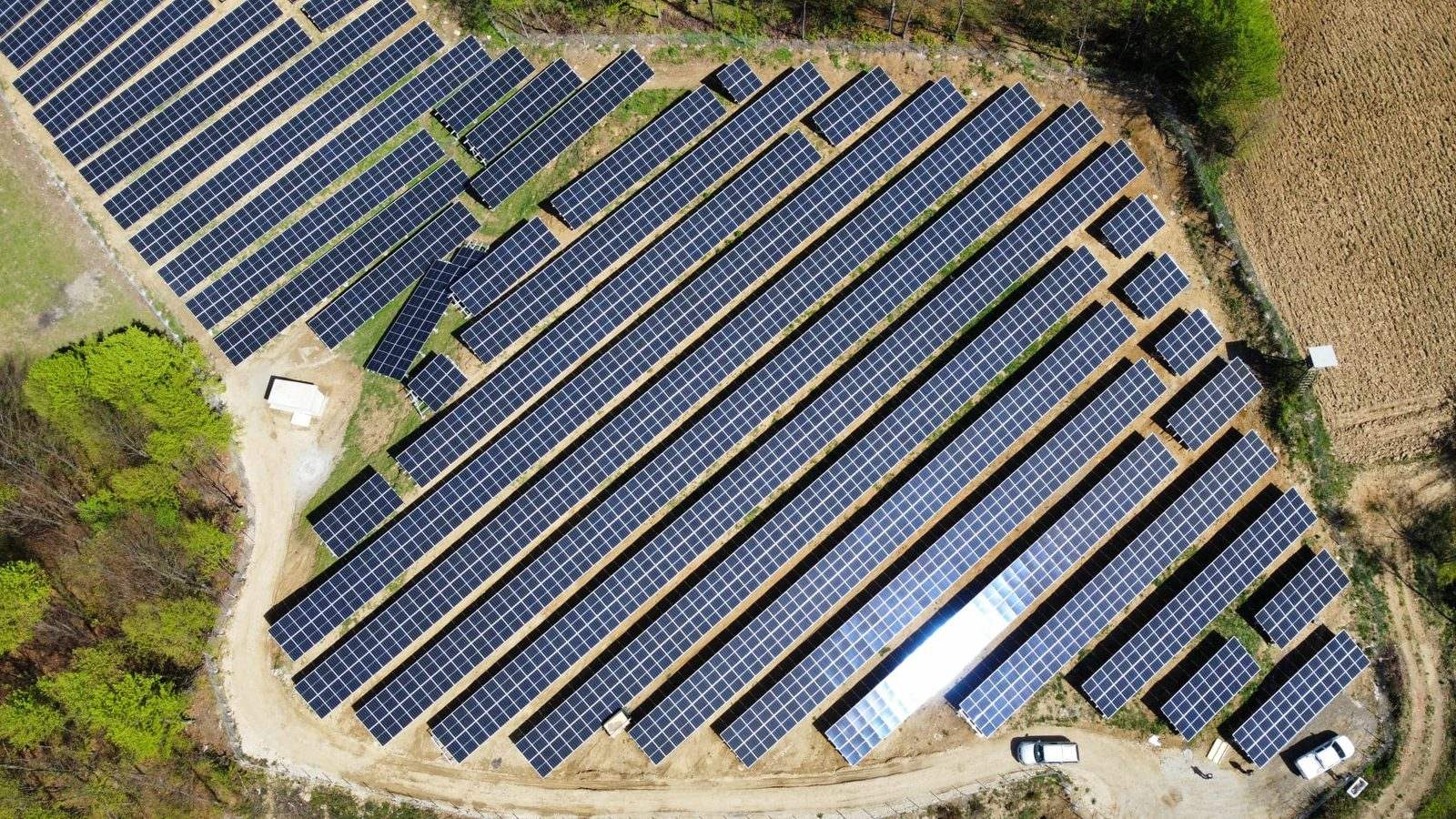
Ground-mounted plants come with obligations that rooftop ones do not:
- mowing vegetation — grass and shrubs growing up to the lower row of panels shade them and cut output, while dry vegetation raises the fire risk,
- controlling erosion and drainage around foundations and mounting posts,
- inspecting cable ducts — rodents can damage cable insulation,
- keeping fencing, gates and CCTV in working order,
- keeping access roads passable for service vehicles all year round.
If machinery is used to manage vegetation, operators must know where cables run and which zones are off limits.
Warranties and degradation
Panels come with two warranties:
- a product warranty (materials and workmanship), covering physical defects,
- a performance warranty, defining how much power the panel may lose over the years.
All panels gradually lose power — this is normal degradation. The performance warranty usually states the permitted loss in the first year and the annual loss thereafter. Exact figures vary by manufacturer and model, so look them up in the datasheet and warranty terms. A drop in output greater than expected, especially if it is concentrated on particular panels or strings, is a reason for an inspection.
Inverter warranties are usually shorter and can often be extended for a fee. Keep the design documentation, serial numbers, commissioning records and all inspection reports — without them, warranty claims are harder.
Maintenance checklist
| When | What | Who |
|---|
| Weekly | Check output and alarms in the app | Owner |
| Monthly | Compare output with the same month last year and across inverters | Owner |
| Spring | Check soiling after pollen season, clean if needed | Owner / service |
| Summer | Check inverter cooling and, for ground plants, vegetation | Owner / service |
| Winter | Monitor snow load; do not clear snow with tools | Owner |
| Annually | Professional inspection, measurements, protection and connector checks, thermography | Authorised service |
| After a storm | Extra visual inspection and monitoring check | Owner / service |
Conclusion
A well-maintained plant is not one that is cleaned often, but one that is monitored regularly and whose faults are found quickly. Monitoring, an annual professional inspection and tidy records cover most of what is needed.
Since 2011 SHPP has designed and built rooftop and ground-mounted solar plants for industry, banks and households — 71 projects to date, totalling around 30,000 kWp. If you would like an inspection of an existing plant or to discuss a maintenance arrangement, get in touch. If you are still planning your investment, read our commercial solar guide and the questions to ask your installer — including those about maintenance and warranties.