
Services
EV charging stations
Design and installation of AC, fast and ultra-fast DC chargers for businesses, fleets, hotels and car parks — with smart load management.
What you get
- Charge company cars and fleets in your own car park, at the price you pay for electricity.
- Smart load management — more chargers without unnecessarily raising your connection capacity.
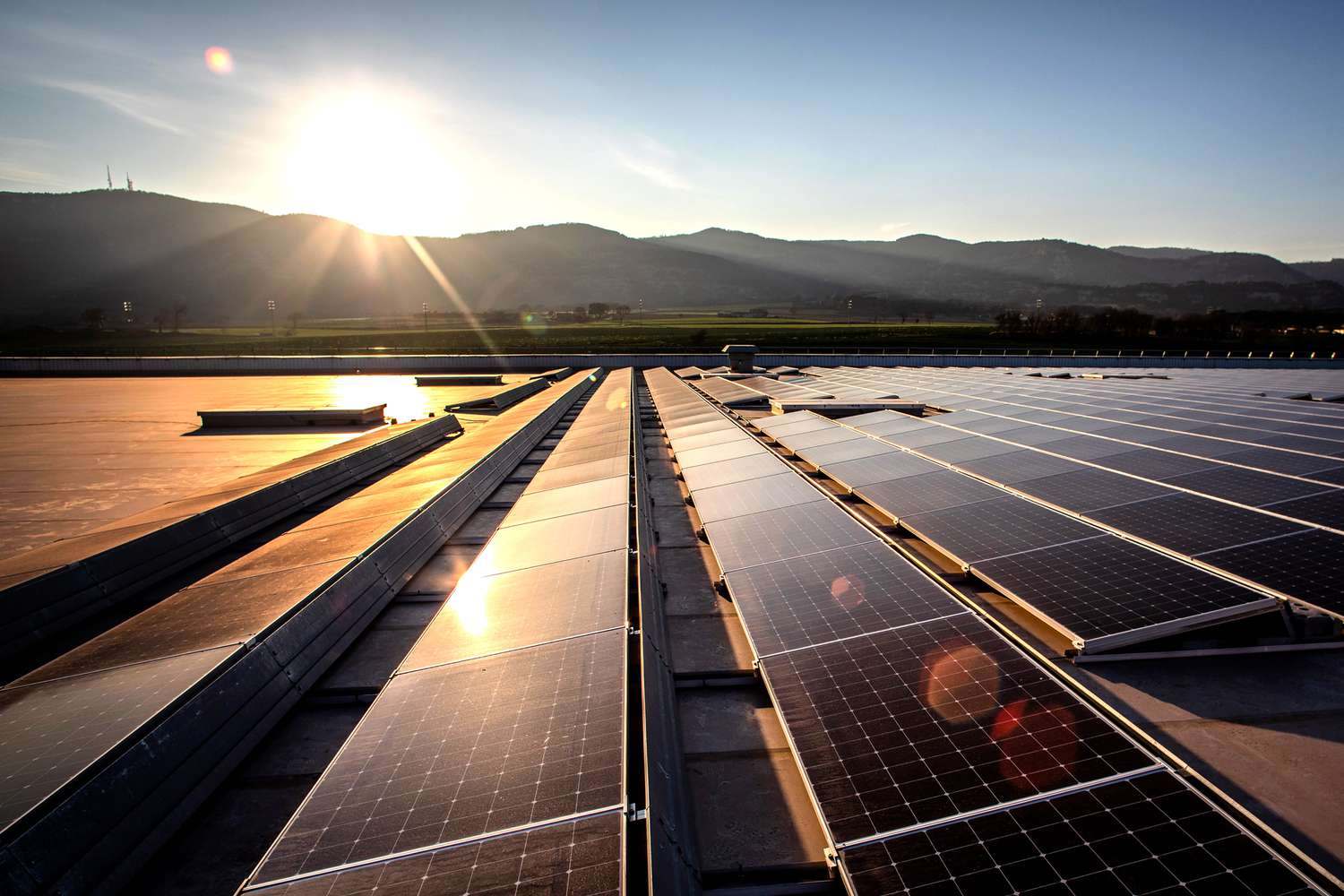
- Can be combined with a solar plant so vehicles charge largely on your own generation.
- A service for guests and customers (hotels, shopping centres, restaurants) that attracts EV drivers.
- From connection analysis and design to installation and commissioning, in one place.
Electric vehicles are increasingly part of company fleets, and drivers expect to charge where they work, stay or shop. A well-planned charging site is more than a post in the car park — the key is matching charging power to the building’s grid connection and to how people actually use it.
Who it is for
- Companies with company cars and fleets, including delivery vans.
- Hotels, restaurants and shopping centres that want to attract EV drivers.
- Office building and car park operators.
- Fuel stations and sites on main routes, where fast and ultra-fast charging is needed.
What is included
We design and install:
- AC chargers (wallbox and pedestal) for charging during working hours or overnight,
- fast DC chargers for shorter stops,
- ultra-fast DC chargers for public and highway-side locations,
- load management and software for access control, energy tracking and, where needed, billing.
How it works technically
| Type | Typical power | Where it makes sense |
|---|---|---|
| AC | 3.7–22 kW (depends on the vehicle’s on-board charger) | staff parking, hotels, overnight fleet charging |
| Fast DC | 50–150 kW | fleets with short stops, shopping centres |
| Ultra-fast DC | 150 kW and above | motorway and main-road locations |
With several chargers on one connection, dynamic load management is essential: the system measures the building’s total demand in real time and allocates to the chargers only the capacity that is free. This avoids overloading the connection and pushing up billed peak demand.
What affects the cost
- number and power of chargers,
- available connection capacity and whether it must be increased,
- cable route lengths and civil works in the car park,
- software, billing model and maintenance.
What a good charging project looks like
A good project starts with numbers: how many vehicles, how many kilometres a day and how long they stay parked. That determines the energy and power needed — and it often turns out that several AC chargers with smart management beat one expensive DC charger. We plan cable routes and switchboard capacity with future expansion in mind.
Why SHPP
We treat EV charging as part of the building’s energy system — together with solar, reactive power compensation and peak-demand management. Experience since 2011 and 71 completed energy projects help us deliver a solution that is both technically sound and economically sensible. Request a quote.
EV charging
How we work together
-
Needs analysis
Number and type of vehicles, daily mileage, dwell time in the car park, and who charges (staff, fleet, guests, public).
-
Connection check
Available connection capacity, switchboard condition and whether an upgrade or new connection is needed.
-
Solution design
Mix of AC and DC chargers, load-management system, access and billing method (RFID, app).
-
Design documentation and approvals
Technical documentation and coordination with the distribution system operator where required.
-
Installation and commissioning
Civil and electrical works, installation, software configuration, testing and user training.
Frequently asked questions
Questions about this service
What is the difference between AC and DC charging?
With AC charging, the vehicle's on-board charger converts the current, so power is typically 3.7–22 kW depending on the car. A DC charger does the conversion itself and feeds the battery directly — fast DC chargers are typically 50–150 kW, and ultra-fast generally means 150 kW and above.
Which charger should my company choose?
If vehicles stay parked during working hours or overnight, 11 or 22 kW AC chargers are usually sufficient and the most cost-effective. DC chargers make sense for fleets with short stops, delivery vehicles and public sites.
Will I need to increase my connection capacity?
Not necessarily. Smart load management shares available capacity between chargers and the rest of the building. Higher-power DC chargers often do require a capacity increase — we check this in the analysis.
Can I charge vehicles from a solar plant?
Yes. If vehicles are parked during the day, charging can be shifted to the hours when the solar plant produces most, increasing solar self-consumption.
Other services
-
Solar PV plants
Rooftop and ground-mounted solar plants for businesses and households in Bosnia and Herzegovina — from load and roof analysis to grid connection.
-
Energy consulting
Energy audits, consumption and tariff analysis, feasibility studies and a costed action plan to cut energy spend — with financing and CBAM guidance.
-
Reactive compensation
Paying for excess reactive energy? We design and install turnkey reactive power compensation — the energy investment with the shortest payback.
-
Electricity brokerage
In a liberalised market, business electricity prices differ from one company to the next. We help you understand offers, compare suppliers and cut costs.
-
Renewable generation
SHPP develops projects and generates electricity from renewables — solar, hydro, wind, cogeneration and biogas — using the potential of BiH.
How much could your own plant save you?
Send us your basic consumption data — we will prepare a concept design and a payback estimate.