For years, the decision to build a solar plant or invest in energy efficiency was mainly about saving on the bill. For exporters to the European Union, that is no longer the whole story. Since 1 January 2026, the EU’s Carbon Border Adjustment Mechanism (CBAM) has been in its definitive phase, and the emissions embedded in a product now carry a price.
This article explains what CBAM means for companies in Bosnia and Herzegovina — and, honestly, where your own green energy helps and where it does not (yet).
CBAM in brief
CBAM is an EU instrument that applies a carbon price to imports of certain products, equivalent to what EU producers pay under the EU Emissions Trading System (EU ETS). Its aim is to prevent “carbon leakage” — production moving to countries without a carbon price.
Key dates:
| Period | What happens |
|---|
| 1 Oct 2023 – 31 Dec 2025 | Transitional period: importers report emissions quarterly, no payment. |
| from 1 Jan 2026 | Definitive period: importers bear a financial obligation for embedded emissions. |
| from February 2027 | Sale of CBAM certificates for 2026 imports. |
| by 30 Sept each year | Annual CBAM declaration for the previous year. |
| proposed: from 1 Jan 2028 | Extension to around 180 downstream steel and aluminium products (in the legislative process). |
Simplifications adopted in 2025 introduced a 50-tonne annual import threshold per importer below which obligations do not apply (except for electricity and hydrogen). For 2026, the certificate price follows the quarterly average EU ETS allowance price; from 2027, the weekly average.
Which products are covered
CBAM currently covers:
- cement,
- iron and steel,
- aluminium,
- fertilisers,
- hydrogen,
- electricity.
Why it matters for BiH
According to an Energy Community overview (July 2025), CBAM-covered goods accounted for 15.4% of BiH’s export value to the EU in 2024 — one of the highest shares among Energy Community contracting parties. The largest parts are aluminium (6.3%) and iron and steel (5.9%), followed by electricity (2.5%) and cement (0.6%).
For companies outside these sectors the pressure is indirect: EU buyers increasingly ask for supply-chain emissions data, and in December 2025 the European Commission proposed extending CBAM to products further down the value chain — from screws, fencing and fittings to machinery and vehicle parts. For BiH’s metalworking sector, which exports many such products, this is a signal to start preparing now. The proposal has not been adopted yet — keep an eye on it.
Direct vs indirect emissions: where green energy helps
This is the part that is often oversimplified, so it is worth being precise.
Direct emissions arise in the production process itself — fuel combustion in furnaces, chemical reactions (e.g. in clinker production).
Indirect emissions arise from generating the electricity the plant consumes.
Under Annex II of Regulation (EU) 2023/956:
- for cement and fertilisers, both direct and indirect emissions count — so low-emission electricity can directly reduce embedded emissions,
- for iron, steel, aluminium and hydrogen, CBAM certificates are currently due on direct emissions only; indirect emissions are still monitored and reported, and the EU has signalled a review of the scope.
What this means in practice:
- Cement and fertiliser producers: your own solar plant or contracted green power can reduce your buyer’s CBAM cost — provided the emissions of the electricity can be demonstrated under CBAM rules. Otherwise default values apply, typically based on the grid emission factor. Check current rules with your verifier.
- Steel and aluminium producers: a solar plant does not directly reduce the CBAM obligation today, but it lowers energy costs, improves the product’s overall carbon footprint (which buyers ask for beyond CBAM) and prepares you for a possible extension to indirect emissions.
- Makers of finished metal products and components: if the proposed extension is adopted, embedded emissions from steel and aluminium inputs will become part of the calculation for your products.
Why data decides the price
An importer may use actual emissions verified by an accredited verifier or default values published by the European Commission. Where reliable country data is lacking, defaults are based on the average of the ten highest-emitting producers, and for goods other than electricity they include mark-ups that are phased in. In other words: without good data, you pay as if you were the worst performer.
For a BiH exporter this means:
- buyers will ask for emissions data per installation and product,
- exporters with reliable, verified data gain a competitive edge in negotiations,
- exporters without data risk a lower price or losing the customer.
What a BiH exporter can do now
- Map your exposure — which of your products are in CBAM scope or in the proposed extension (by CN code), and how much you export.
- Get your energy data in order — electricity and fuel consumption per site and, where possible, per production line. This is the basis of any emissions calculation.
- Talk to your buyer — ask what they need, in what format and by when.
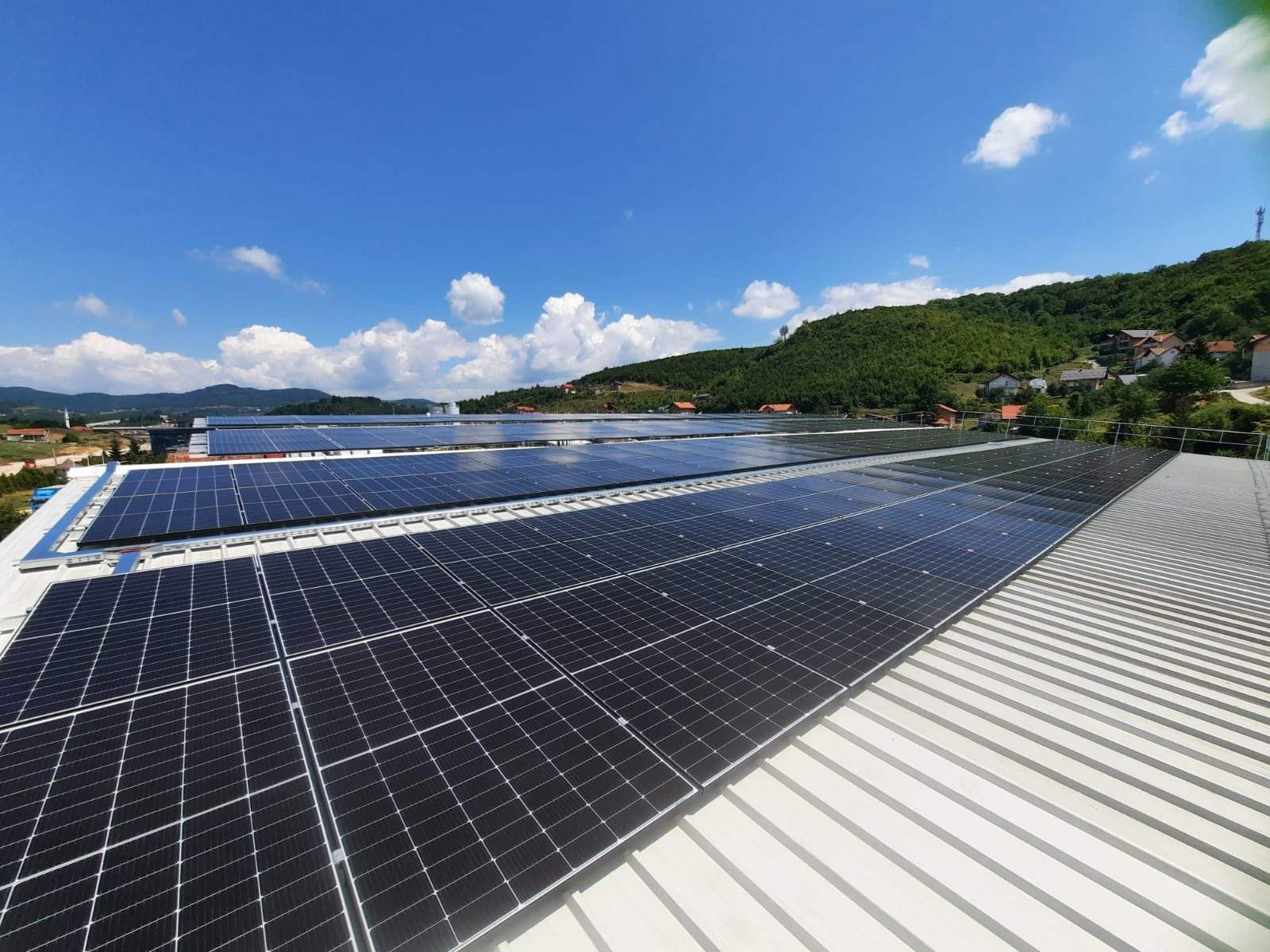
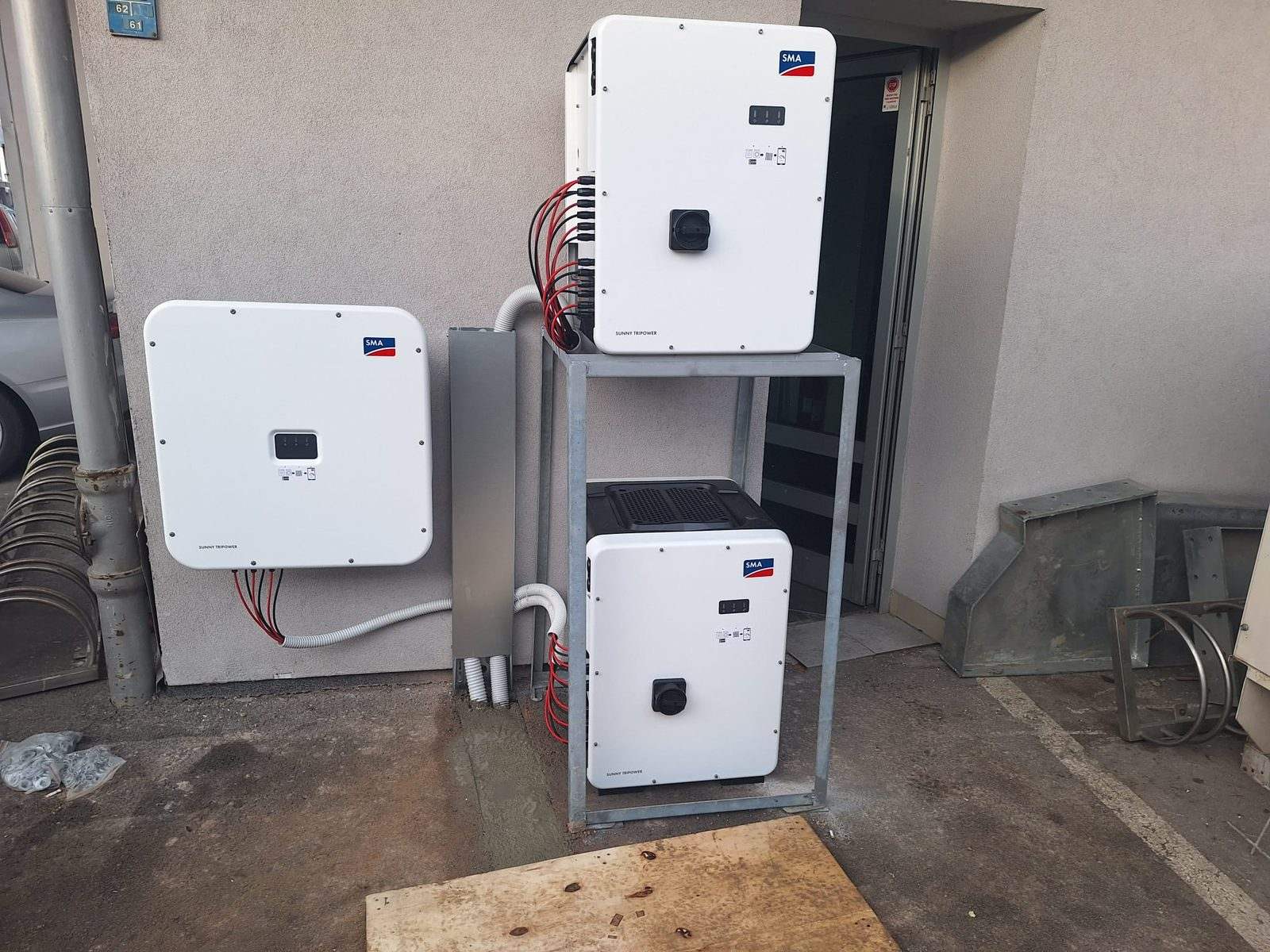
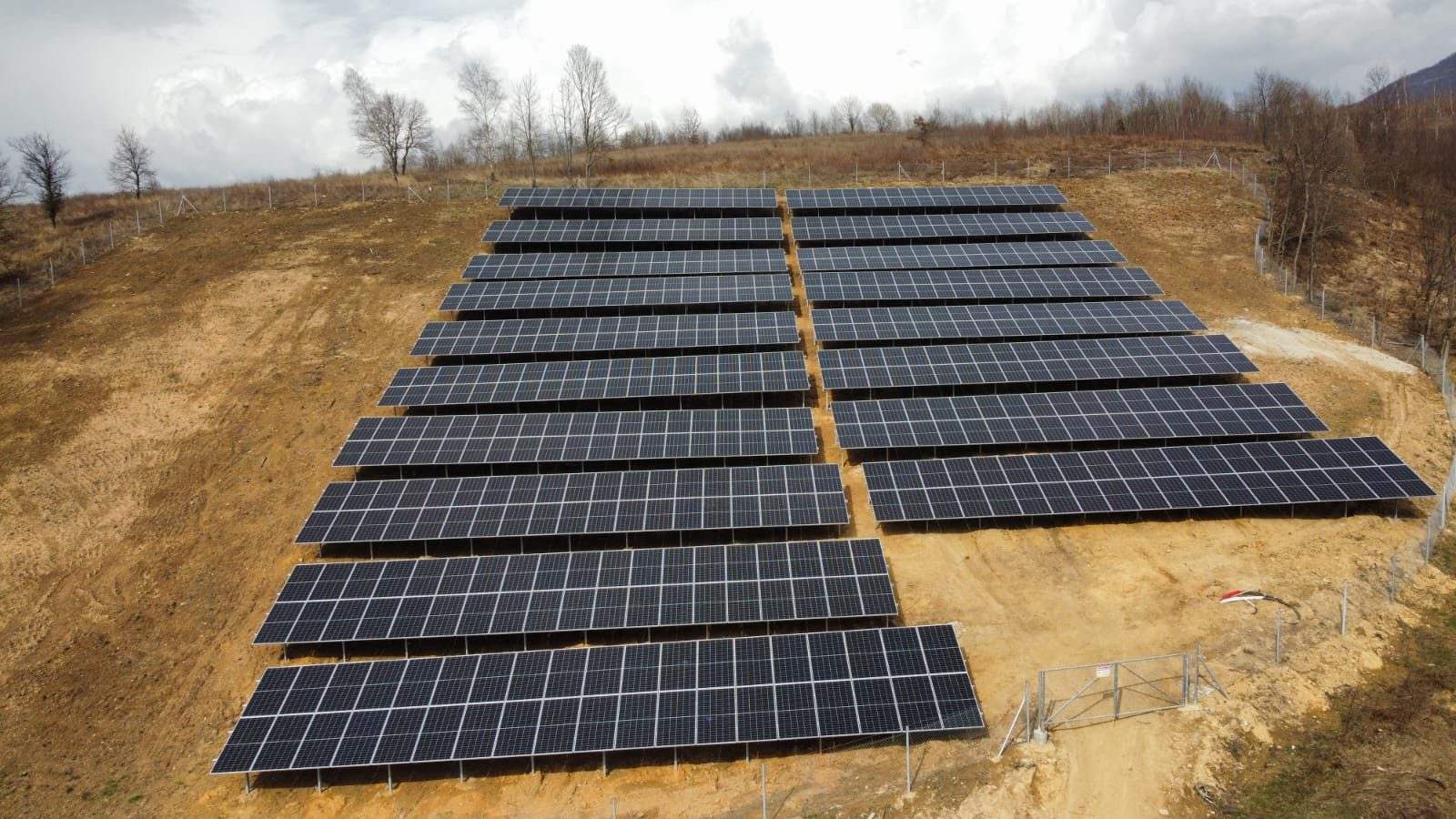
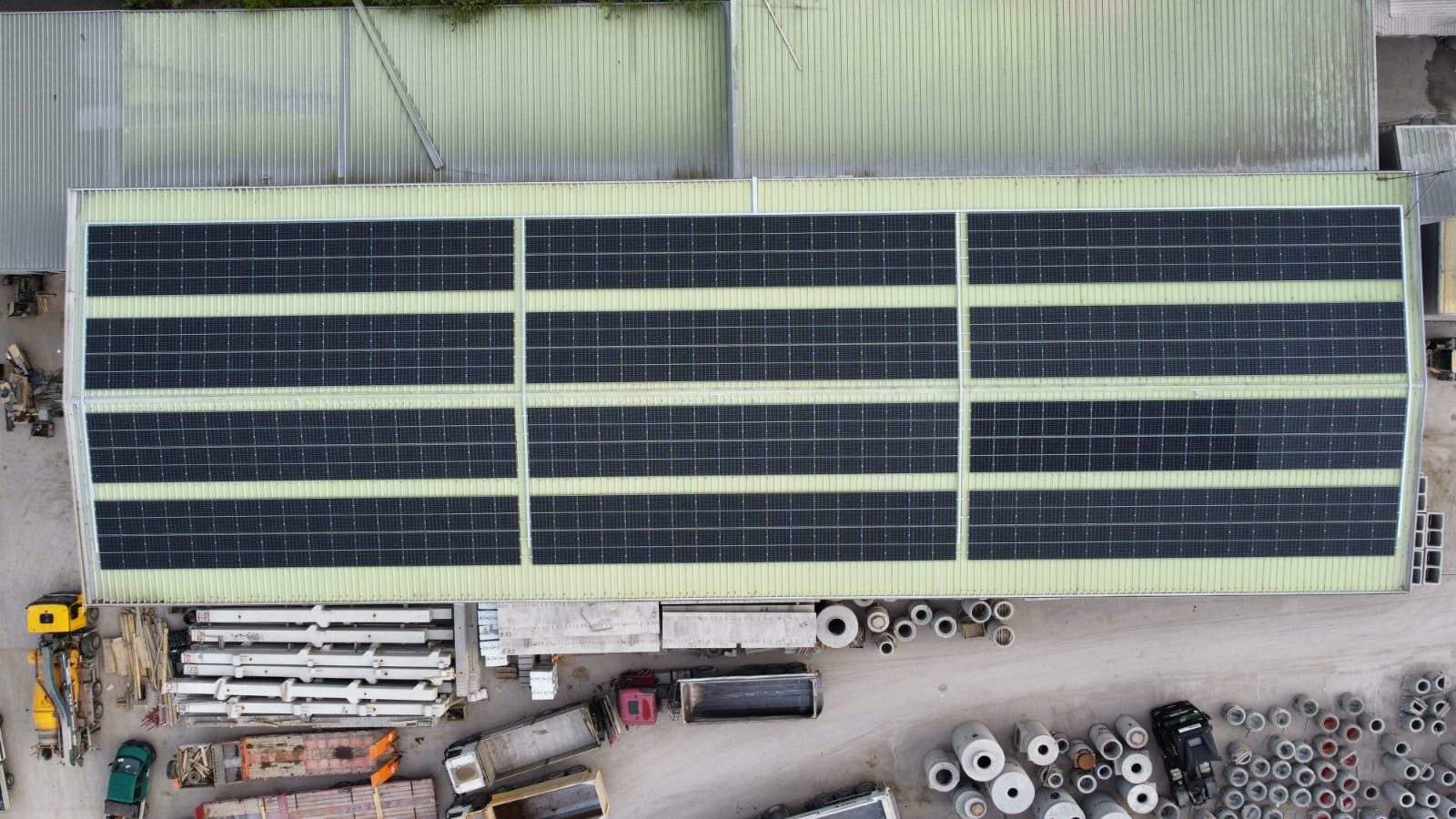
- Cut emissions where it pays off even without CBAM — energy efficiency, reactive power compensation, a solar plant for self-consumption. These measures are justified by savings; CBAM and buyer requirements are an extra argument.
- Engage a verifier early if you export goods within scope.
The role of energy consulting
CBAM emissions calculation and verification are not energy work in the narrow sense — specialised consultants and accredited verifiers do that. But the energy side is the foundation: without reliable energy data there is no reliable emissions data. Through energy consulting we help exporters:
- measure and break down energy consumption by site and process,
- assess the effect of a solar plant on grid consumption,
- prepare a feasibility study for measures that accounts for both savings and buyer requirements.
Conclusion
CBAM does not mean every solar plant automatically reduces border costs — for steel and aluminium it does not today. But it does mean energy and emissions have become part of a product’s price on the EU market, and exporters with good data and cleaner energy will negotiate from a stronger position. Green energy is no longer just a matter of image: it has become a business decision.
If you export to the EU and want to know where to start, get in touch or request a quote for an energy analysis. CBAM rules are evolving — always check current EU regulations before making final decisions.
Sources