
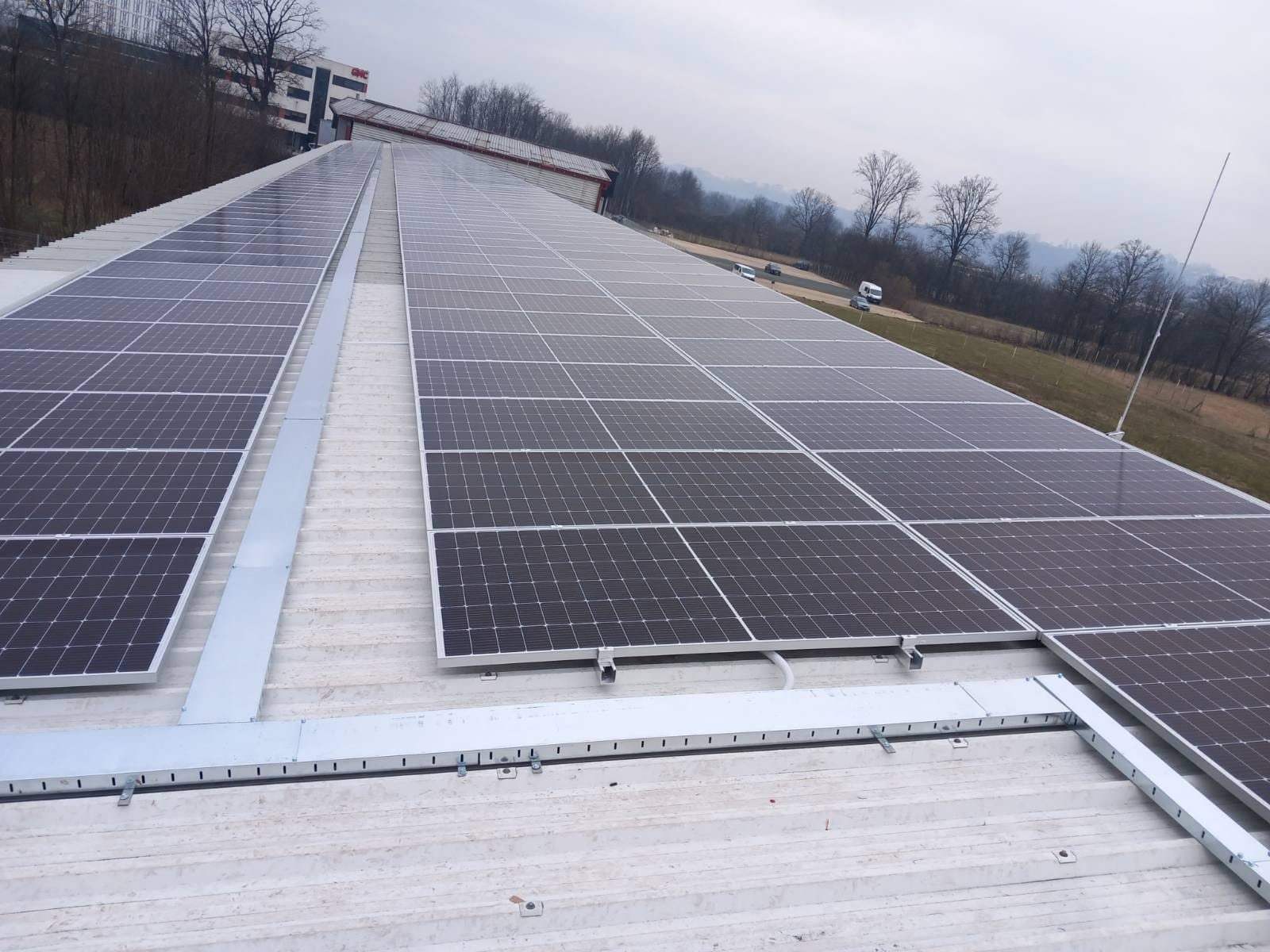
Checklist before installing a solar plant
What to prepare and check before requesting a solar quote: consumption, grid connection, roof, permits, financing and maintenance.
Read moreGuide
A guide to the line items on a business electricity bill in Bosnia and Herzegovina: active energy by tariff, billed peak demand, excess reactive energy and network charges.
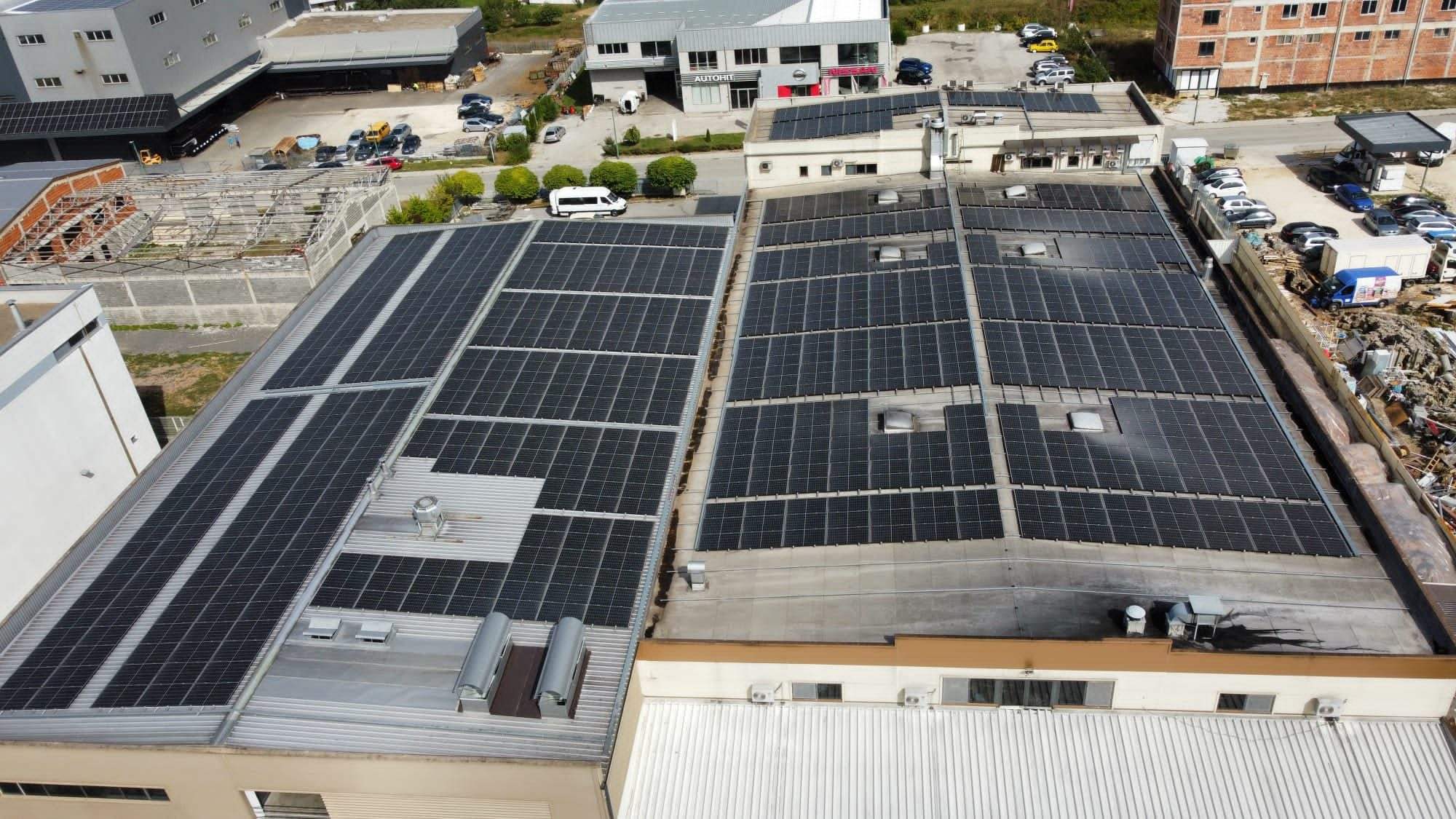
A business electricity bill has more line items than a household bill, and some of them hide the quickest savings. This guide explains what each typical item means and what to look out for. Names and structure differ between suppliers, tariff groups and entities — always go by your own bill and the applicable tariff rates.
This is the “useful” energy you actually consume — to run machines, lighting, heating. It is measured in kilowatt-hours (kWh).
With two-rate metering, consumption is split into:
Example: in FERK’s price decision for Elektroprivreda BiH’s public supply (applicable from 1 June 2024), the higher daily tariff for non-household customers on weekdays runs 07:00–22:00 in winter time and 08:00–23:00 in summer time. Check the hours for your tariff group and supplier.
What to look for: the ratio of VT to NT consumption. If some consumption (e.g. EV charging, water heating, pumping) can be moved to NT hours, the saving is immediate.
Larger business customers are billed for power, not just energy. Billed demand is, simply put, the highest average load measured over a metering interval (usually 15 minutes) during higher-tariff hours in the month. It is charged per kW, monthly.
Why it matters: one short peak — e.g. several large machines starting at once on a Monday morning — sets the charge for the whole month.
How to reduce it:
Reactive energy is drawn by motors, transformers and other inductive loads. It does no useful work but loads the grid. On the bill it usually appears as excess reactive energy (“prekomjerno preuzeta reaktivna energija”).
In the Federation of BiH, the General Conditions for Electricity Supply use an average power factor of cos φ = 0.95 as the reference. That means about 0.33 kvarh per 1 kWh of active energy is “allowed”; anything above is excess and is charged.
Quick check: divide reactive energy (kvarh) by active energy (kWh) for the same period.
| kvarh/kWh ratio | Power factor | What it means |
|---|---|---|
| ≤ 0.33 | ≥ 0.95 | fine |
| 0.33–0.50 | ≈ 0.89–0.95 | you are paying for some reactive energy |
| > 0.50 | < 0.89 | a significant cost — compensation is almost certainly worthwhile |
More on the fix: Reactive power compensation.
Charges for using the transmission and distribution networks are regulated and do not depend on your choice of supplier. They may be shown separately or included in the price, depending on the supply model.
If you would like us to analyse your bills, send them via the quote form — as part of energy consulting we show you where the fastest savings are.
What to prepare and check before requesting a solar quote: consumption, grid connection, roof, permits, financing and maintenance.
Read more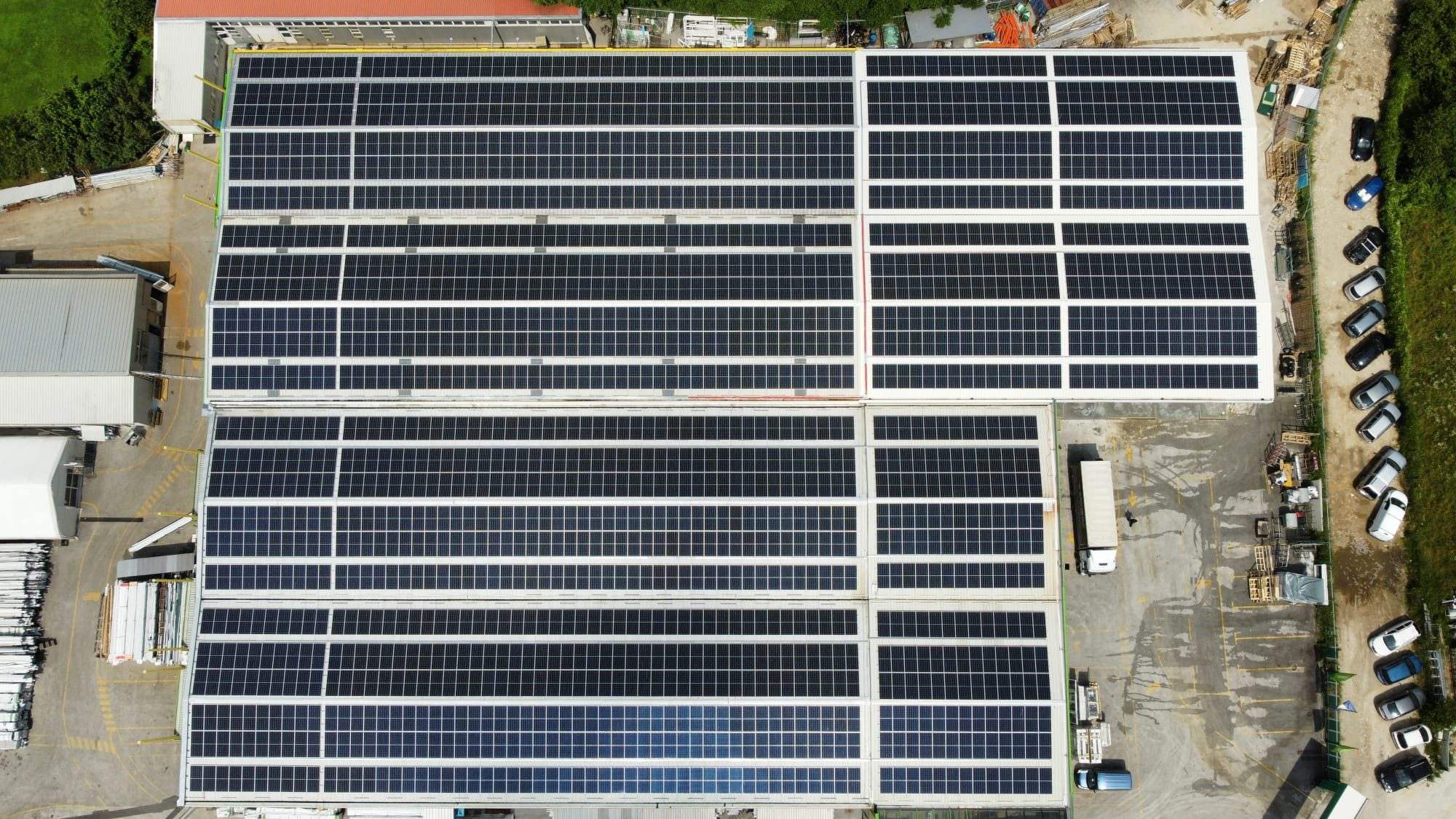
A list of questions for comparing solar installer quotes: sizing, yield estimate, equipment and warranties, permits, installation, monitoring and support.
Read moreSend us your basic consumption data — we will prepare a concept design and a payback estimate.